The testimonial video formats that convert in B2B sales share one trait: they open with the buyer's pain, not the customer's job title. The formats below work because they treat testimonials as story, not as a favor a happy client did on camera. Pick the one that matches where the video will live and what decision it needs to unstick.
Most flat, forgettable testimonials fail for the same reason. They start with "Hi, I'm Jane, VP of Operations at Acme, and I've been in the industry for 15 years." No one keeps watching. The first few seconds decide everything, and the winning formats below all respect that.
1. The Pain-First Story Testimonial (60 to 90 seconds)
What it is: A tightly edited single-customer story that opens on the pain the buyer felt before, not the introduction of the person speaking. Roughly a Storybrand arc: pain, guide, plan, resolution.
Who it is for: Homepage hero placement, paid social, and sales enablement. This is the workhorse format for SaaS and mission-driven tech.
Why it converts: The viewer feels understood inside five seconds because the opening soundbite names a problem they recognize. The middle positions the vendor as the qualified guide with a clear plan. The end shows the outcome. A well-cut 75 second version of this format has replaced the 4 minute "case study" for most B2B teams that actually track conversions.
Verdict: If you only make one testimonial this quarter, make this one.
2. The Movie-Trailer Multi-Voice Testimonial (90 to 120 seconds)
What it is: Three or four customers, each contributing one to three soundbites, cut against a music bed whose energy rises and falls with the story turns. Music is manually rearranged so the drops land on the strongest lines, and "impact moments" isolate a key soundbite by stripping the music, adding a reverb tail, and dropping it back in hard as the line lands.
Who it is for: Category-defining brands, event openers, funding announcements, and the top of the sales deck.
Why it converts: It compresses social proof. A buyer sees four different companies validating the same claim in under two minutes. The trailer pacing keeps eyes on the screen through repetition that would otherwise feel redundant.
Verdict: Use when you have earned enough logos to compress; do not fake it with two customers stretched thin.
3. The Three-Feature Proof Testimonial
What it is: A hybrid explainer and testimonial. The customer's voice narrates three, and only three, features or outcomes, mapped to the pains they alleviate. Product footage and animation cover the visuals.
Who it is for: SaaS product pages, mid-funnel nurture emails, and sales follow-ups after a demo.
Why it converts: If everything is exciting, nothing is. Narrowing to three features gives the viewer something they can remember an hour later when they are pitching your product to their boss. Learn more about how Full Send scopes this on the explainer videos page.
Verdict: Best when the product is complex and the buyer needs to repeat what they saw to a committee.
4. The Reedit Rescue
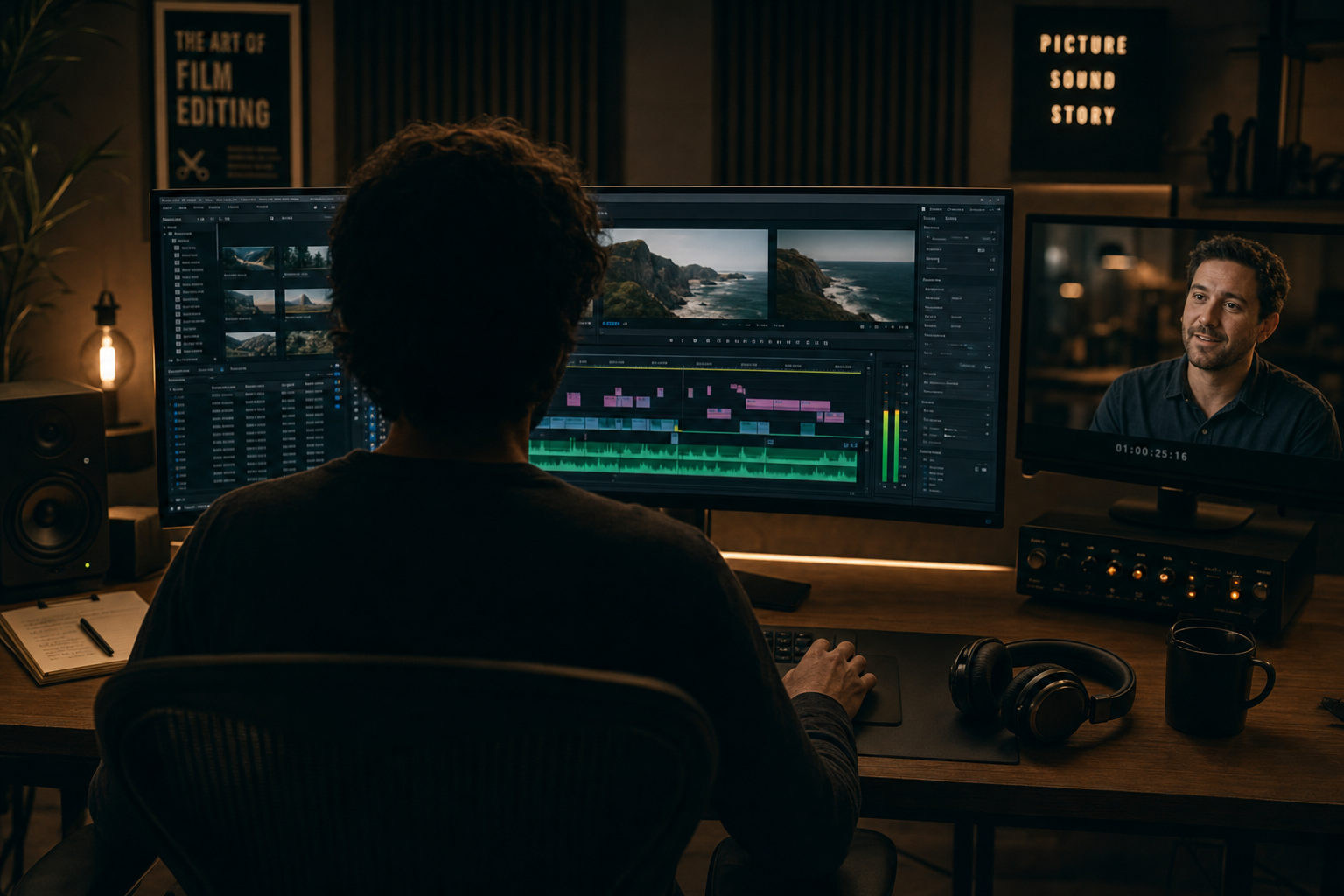
What it is: Not really a format so much as a proof point that format is everything. Take existing testimonial footage that fell flat and rebuild it: new opening soundbite, tighter sequence, added rhythm, impact moments.
Who it is for: Any B2B team sitting on interview footage that never got used because the finished video was unwatchable. This happens more often than agencies admit.
Why it converts: One Full Send client had a testimonial produced by a previous partner that was nearly unwatchable. The same footage, resequenced with better soundbite selection and pacing, became their most impactful piece of content. The camera work did not change. The editing decisions did.
Verdict: Before you shoot again, check what you already have.
5. The Long-Form Podcast Testimonial (15 to 30 minutes)
What it is: A conversational interview with the customer, published as a video podcast episode, then cut down into short vertical clips for LinkedIn and shorts.
Who it is for: Community-building brands, ABM programs targeting a small list of accounts, and thought-leadership plays.
Why it converts: It gives the customer time to tell the full story, which sales teams then quote from for years. The clips do the top-of-funnel work; the full episode closes late-stage deals when the buyer wants to hear a peer talk unscripted.
Verdict: Slow burn, but the ROI compounds because one shoot yields dozens of assets.
How to pick
Match the format to the job:
- Homepage or paid ad: pain-first single story, 60 to 90 seconds.
- Sales deck opener or launch: movie-trailer multi-voice.
- Product page or demo follow-up: three-feature proof.
- Existing flat footage: reedit rescue before you reshoot.
- Community and ABM: long-form podcast testimonial with clip cutdowns.
The format matters less than the decisions inside the cut: which soundbite opens, how the middle earns credibility, and whether the pacing carries a viewer to the end. If you have footage that never landed, or a testimonial shoot on the calendar that you want to get right, the team at Full Send works on exactly this kind of problem. Our strategy page walks through how we approach the story before the camera turns on.