Notes on video marketing, storytelling and making the process feel calm.
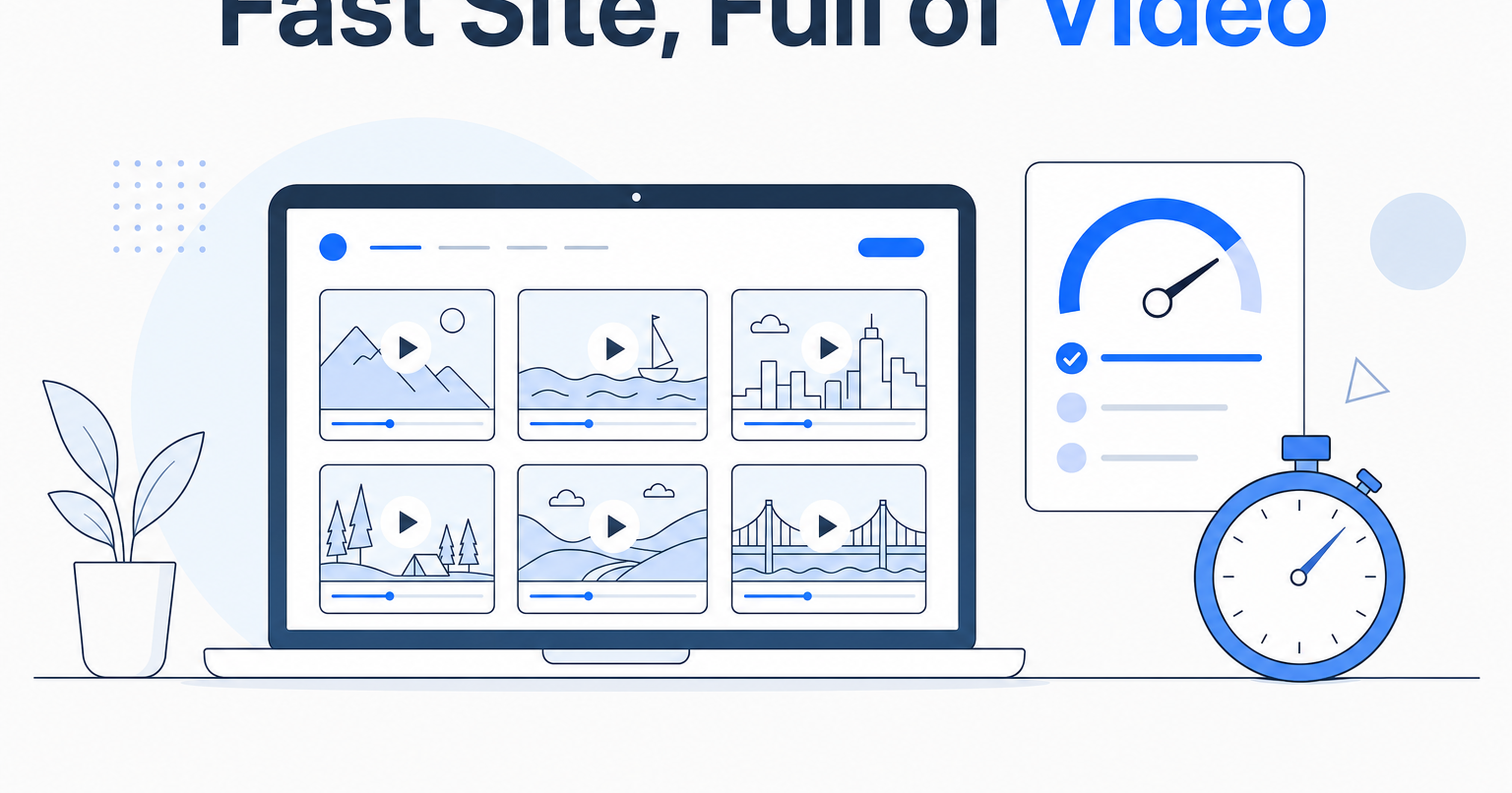
You can load a homepage with autoplaying video and still have it feel instant. The trick is that the video a visitor sees while scrolling and the video a visitor chooses to watch are two different assets, hosted two different ways.
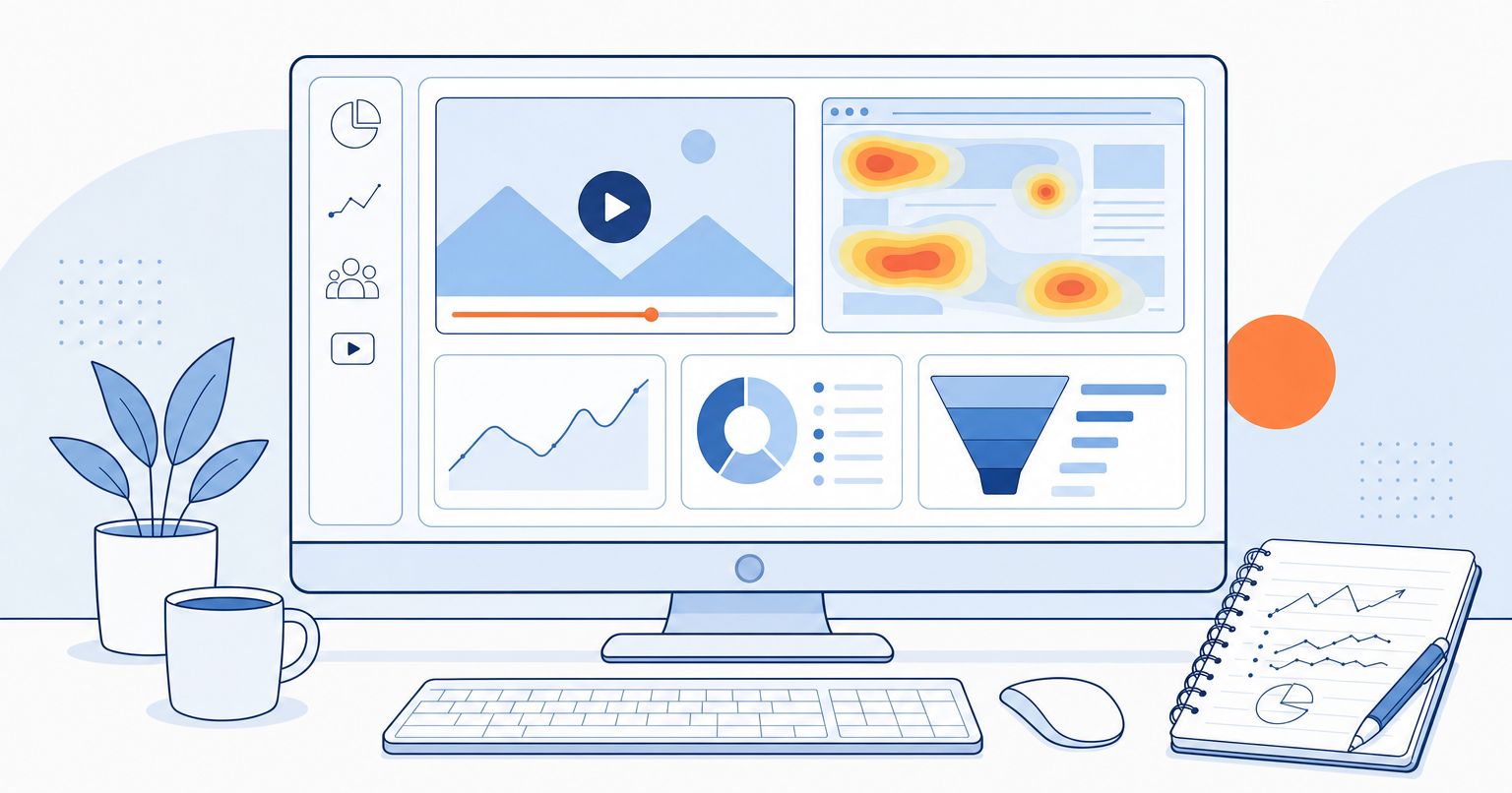
Video ROI for SaaS in 2026 is no longer measured in views. Real return shows up in on-page behavior, sales cycle usage, and AI search visibility — and break-even is usually one or two closed deals.
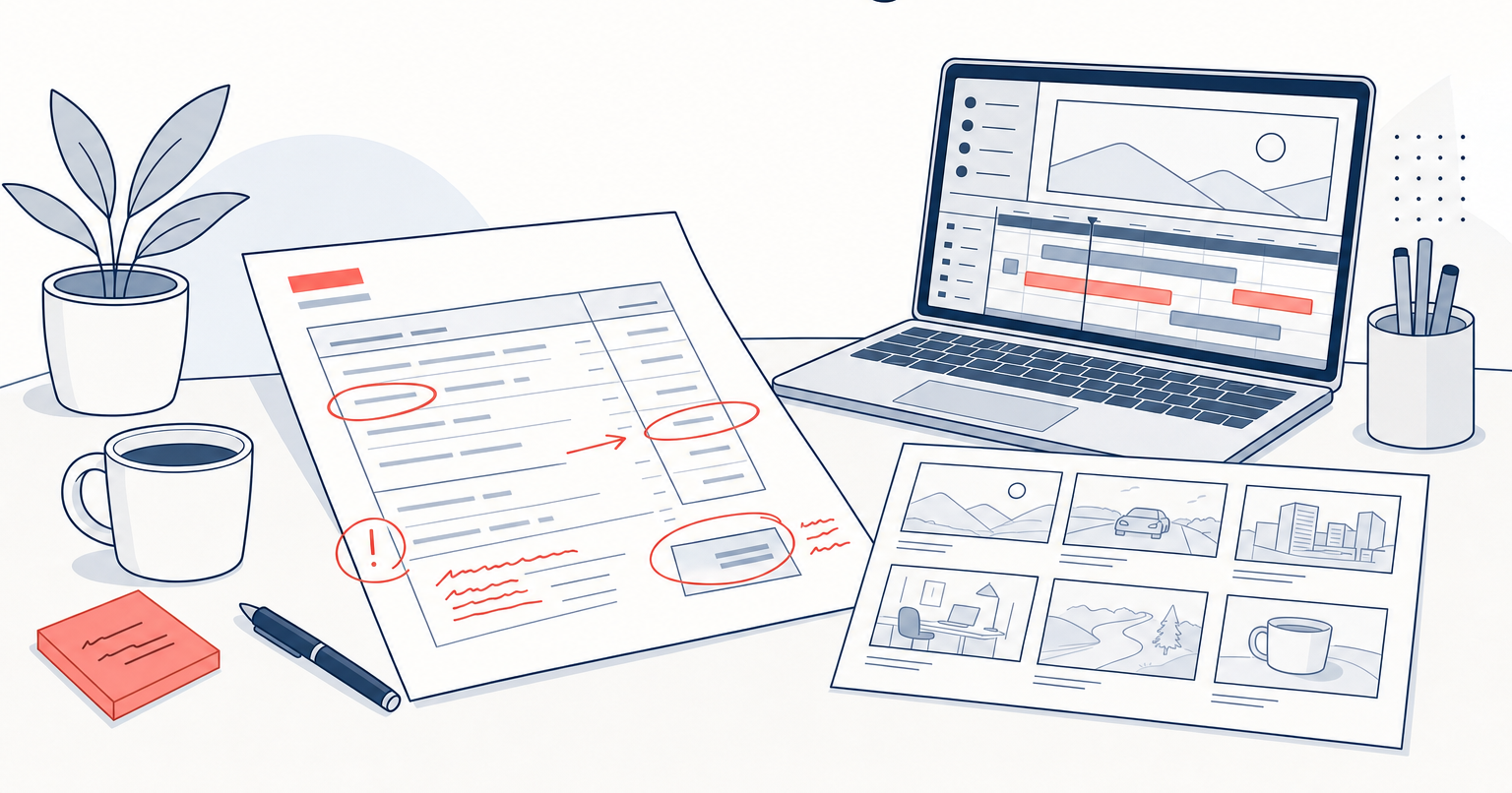
Video projects go over budget because of scoping, not cameras. Here are the mistakes that actually do the damage — and how a written scope keeps the estimate you approve close to the invoice you pay.
Build it yourself with AI tools if you have no budget, no traffic to lose, and time to learn. Hire a developer who uses AI if your site carries video, needs to rank in search and in AI answers, and has to collect user data legally.
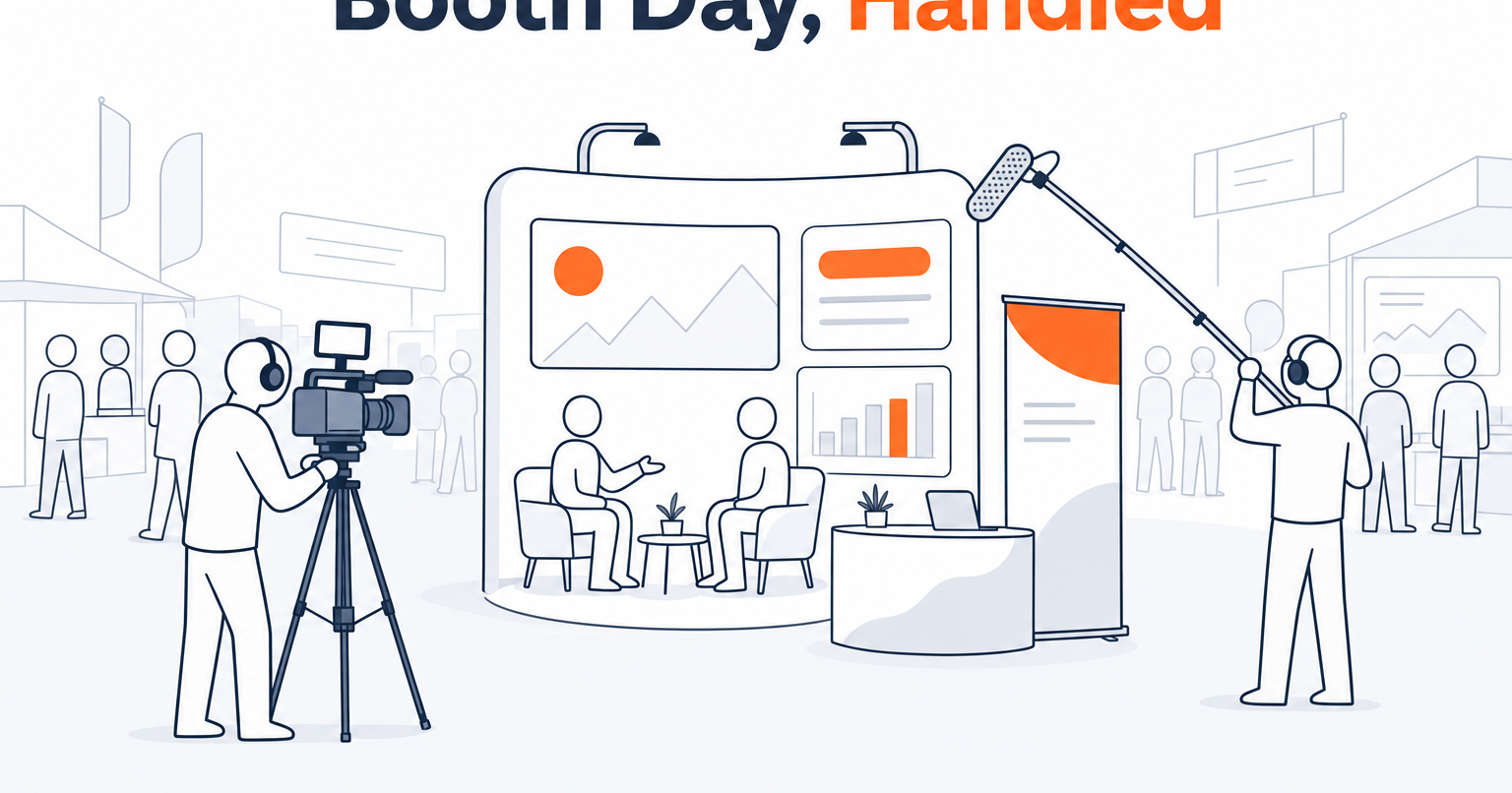
It is 80 miles and 90 minutes—no hotel, no travel day. Here is how to plan a one-day Charlotte trade show booth shoot from badge deadlines to edit structure, so the footage is actually usable.
Hiring a video agency for the first time runs through six phases: discovery, creative direction, pre-production, the shoot, post-production, and revisions. Here is what each phase actually is, what you bring to it, and why you are on the timeline too.
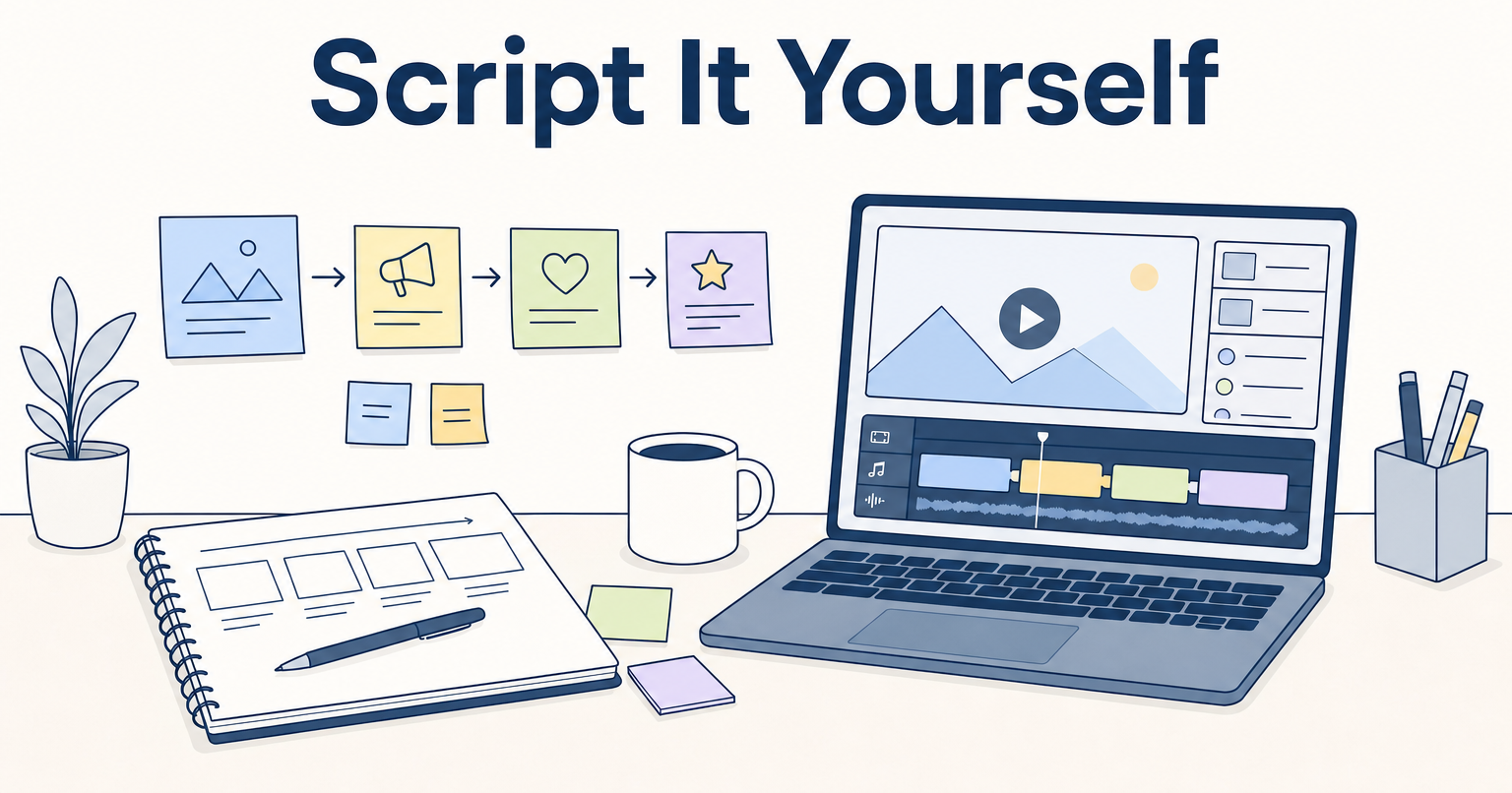
You do not need a professional copywriter to write a B2B video that holds attention. You need a repeatable structure: open with the viewer's pain, position your brand as the guide, narrow to three points, and edit ruthlessly for pacing.
A SaaS homepage explainer should run 60 to 90 seconds, and a paid ad should run 15 to 30 seconds. Same product, same story, two very different jobs — here is how to think about runtime for each placement.
Your corporate video feels boring because it opens with something no viewer cares about, treats every feature as equally important, and plays audio at one flat energy level from start to finish. Fix those three failures and the same footage can become the most powerful piece your brand has ever put out.
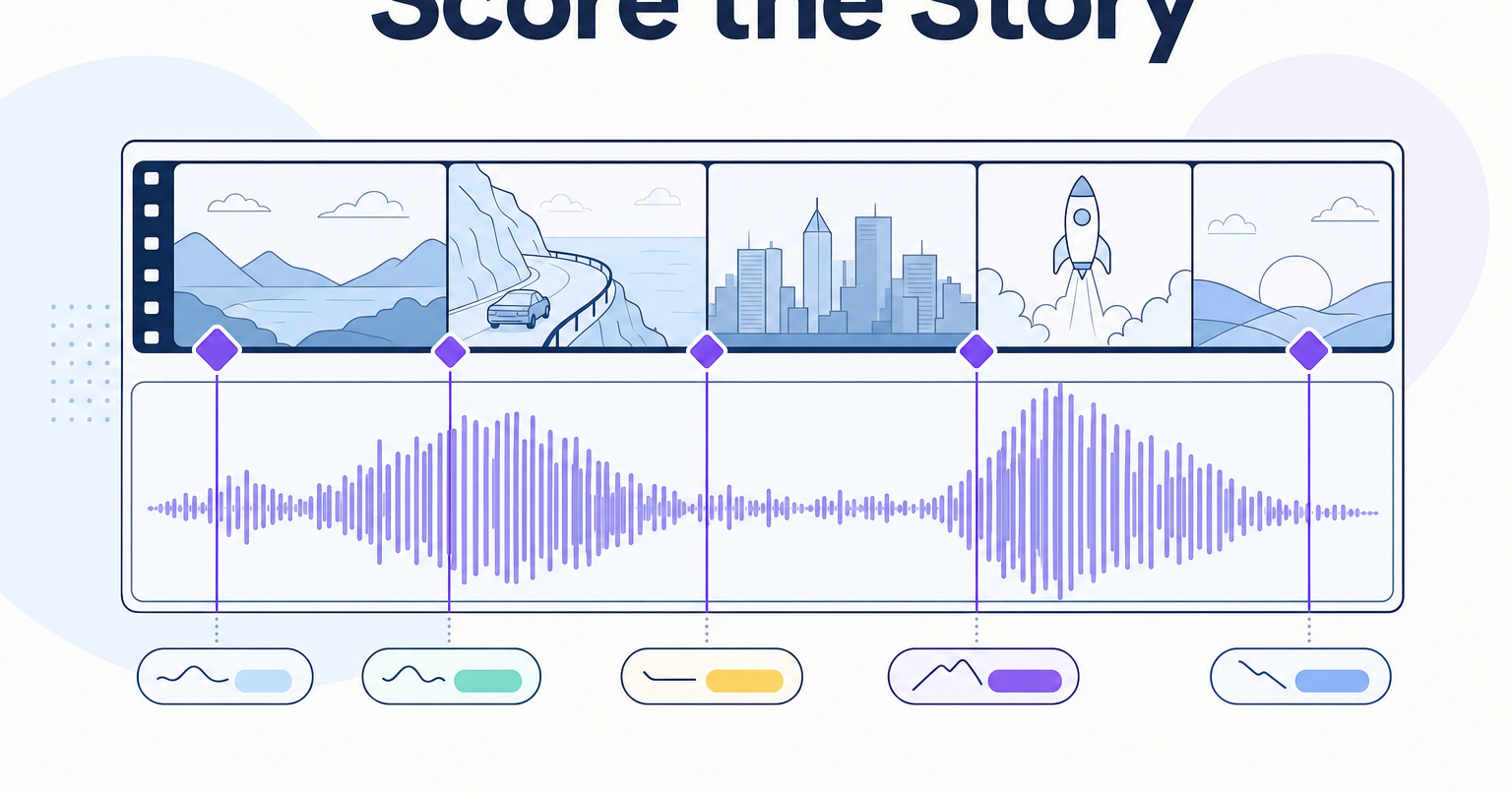
Music editing in a brand video is the deliberate work of trimming, extending, and rearranging a song so its energy shifts land on the same frames where the story shifts. Here is what is actually happening under the hood when a video feels electric versus flat.