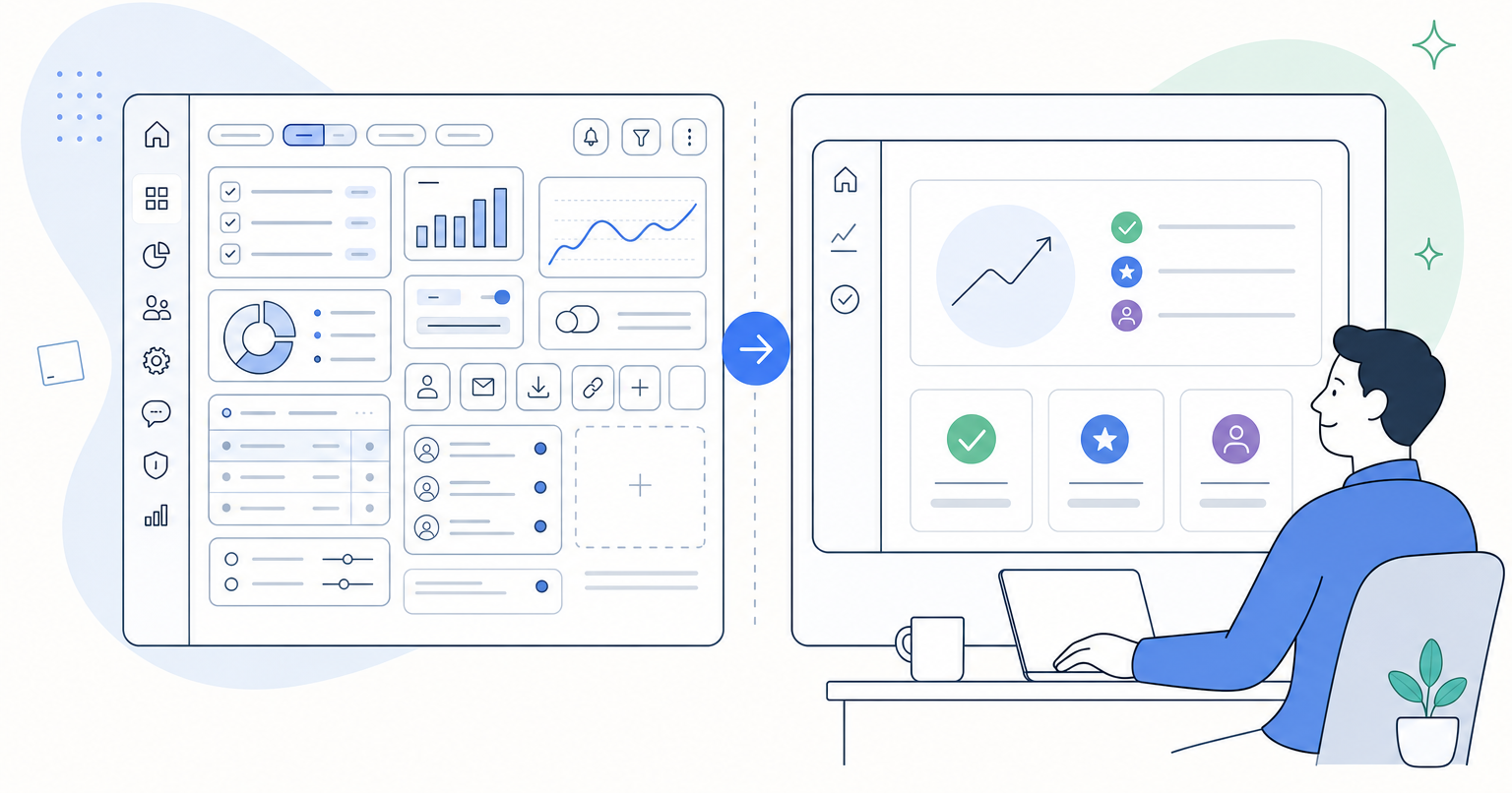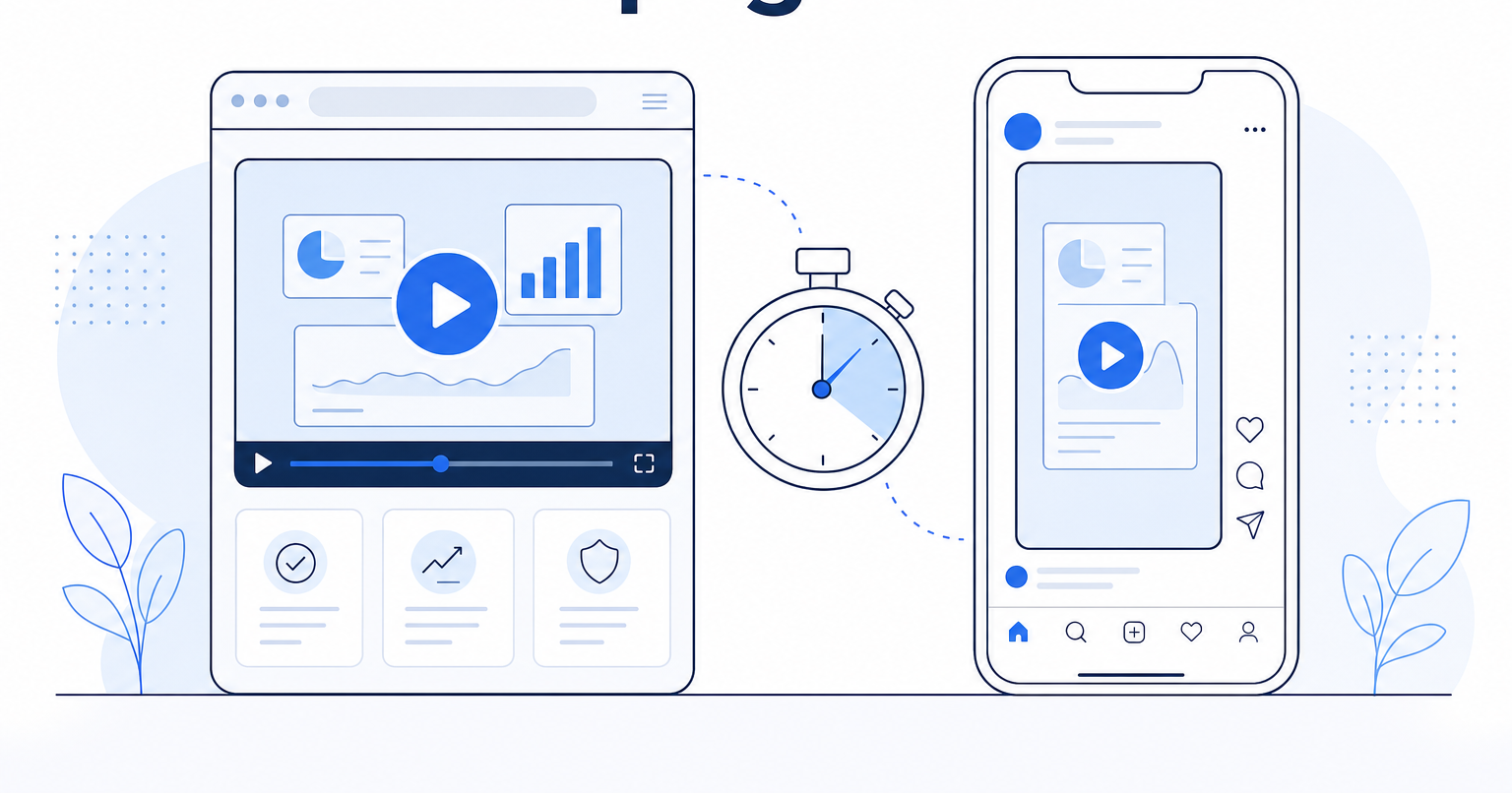
SaaS Product Video Length: Homepage vs. Paid Ads
The short answer: a SaaS homepage explainer should run 60 to 90 seconds, and a paid ad should run 15 to 30 seconds. Same product, same story, two very different jobs, so two very different runtimes. Treat them as the same asset and one of them will underperform, usually the ad.
Here is how we think about it at Full Send, and why the numbers land where they do.
The core difference: viewer intent
Everything about length flows from one question. Did the viewer choose to be here?
On your homepage, they did. They clicked a link, typed a URL, or followed a referral. They already suspect you might solve their problem, and they are willing to give you a minute or two to prove it. Attention is earned but not scarce.
On a paid ad, they did not. They were mid-scroll on LinkedIn, mid-video on YouTube, mid-thought on X. You are the interruption. Attention is scarce and rented by the second.
That single distinction, chosen vs. interrupted, is what should set your runtime, your hook, and how much of the product you show.
Homepage video: 60 to 90 seconds
A homepage video is the trailer for your whole company. It needs room to hit the pain, name the guide, walk through the plan, and paint the outcome, all without feeling rushed.
- Runtime: 60 to 90 seconds is the sweet spot. Under 45 seconds and you cannot land the story arc. Over 2 minutes and drop-off gets steep, even for warm traffic.
- First 5 seconds: Hit a specific viewer pain. Not the product name, not the founder's origin story, not a swelling piano intro. The pain. This is where most SaaS homepage videos fail before they start.
- Middle 45 to 60 seconds: Position the brand as the guide, then walk through three (and only three) features mapped to the pains they solve. If everything is exciting, nothing is exciting. Narrowing to three is a discipline that pays off in comprehension.
- Last 10 to 15 seconds: State the outcome the viewer gets, and one clear call to action.
- Autoplay reality: Homepage videos usually autoplay muted. Design the first frames so the pain lands visually even without sound.
If you want a deeper look at homepage runtime tradeoffs specifically, we broke it down in best length for a SaaS homepage explainer video.
Paid ad video: 15 to 30 seconds (with a 6-second cousin)
Paid ads are a different animal. You are paying per impression, competing with a feed, and speaking to people who did not ask.
- Runtime: 15 to 30 seconds for most feed placements. 6 seconds for YouTube bumpers and some pre-roll. 60 seconds only for high-intent retargeting to people who have already visited the site.
- First 2 seconds: Pattern interrupt plus pain. Not "Hi, we are Acme." A visual or line that stops the scroll and names something the viewer feels. Two seconds is not a typo. That is the window before a thumb moves.
- Middle 10 to 20 seconds: One feature, one outcome. Not three. The homepage gets three, the ad gets one, because you do not have the runtime to build and release energy three times.
- Last 3 to 5 seconds: A single, unambiguous CTA. "Start free," "Book a demo," "See it in action." Pick one.
- Sound-off design: Assume no audio. Burn in captions, and make sure the story reads on mute.
- Platform cuts: Deliver 6, 15, and 30 second variants from the same shoot. Different placements reward different lengths, and testing across cuts is where the real learning happens.
How to decide when your case is in between
- Pick the homepage cut (60 to 90s) if: the traffic is warm, the viewer is already on your site, or the video lives on a landing page tied to a specific campaign where the visitor arrived with intent.
- Pick the ad cut (15 to 30s) if: the video is running in a feed, before content the viewer chose, or anywhere the play was not requested. Interruption always shortens the runtime.
- Cut a 6-second bumper if: you are running awareness at scale and need brand plus one idea to stick.
One shoot, multiple cuts
The efficient move is to plan for both from day one. Script the 90-second homepage version first, because it forces you to earn every second of the story. Then pull the sharpest 30 seconds for paid, and the sharpest 6 seconds inside that for bumpers. You get a family of assets from one production, and they all speak the same language.
That kind of multi-cut planning is baked into how we scope explainer video and video production projects. If you are staring at a homepage cut wondering how to make it work as an ad, that is a good conversation to have before the edit locks.