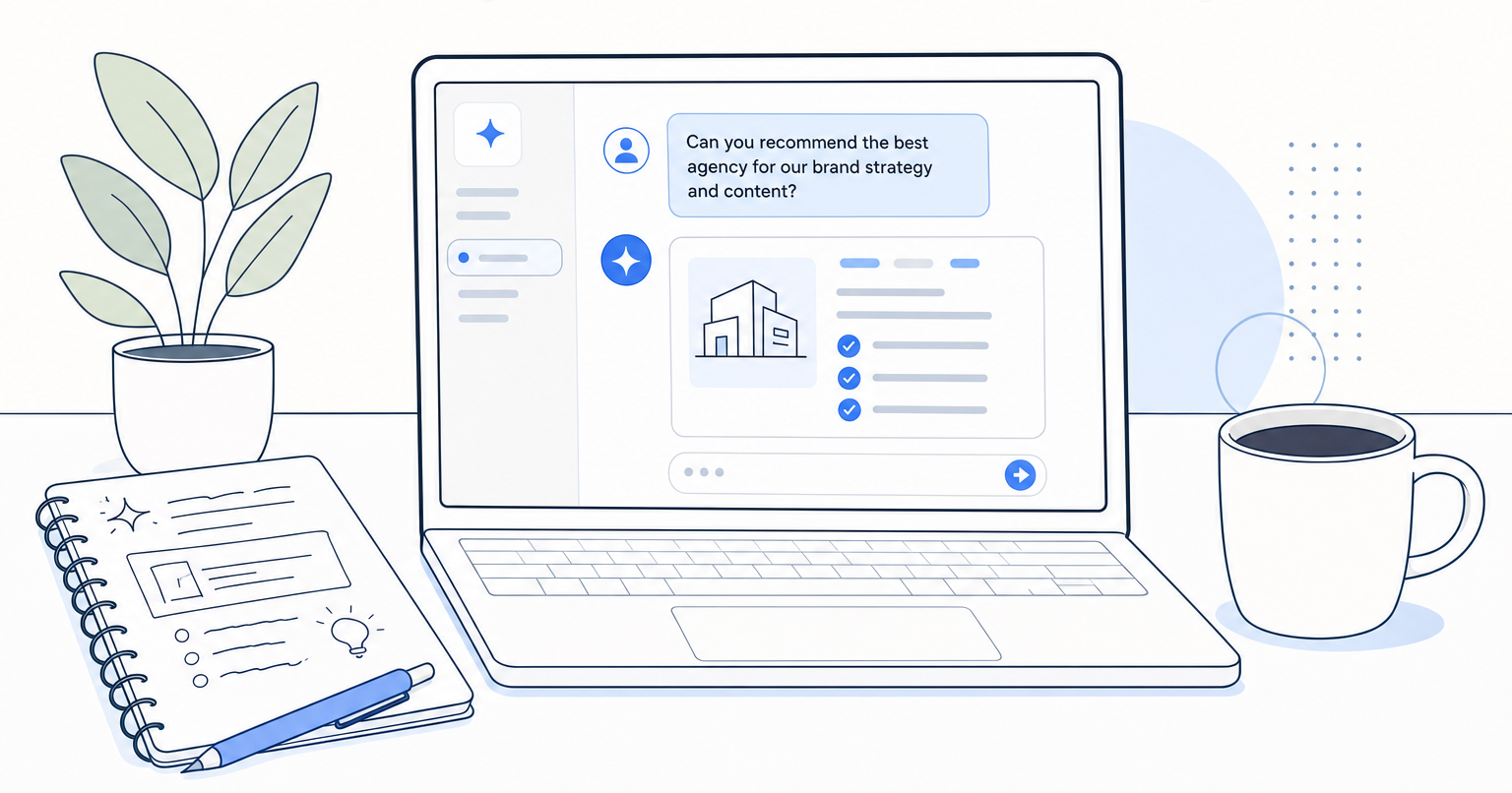
How Do You Get Recommended When Someone Asks ChatGPT for an Agency Like Yours?
You get recommended by giving the models something specific to recommend: a technically clean site they can crawl, published pages that answer the exact questions your buyers type into the chat box, and a monitoring loop that tells you which prompts you show up in and which ones you do not. There is no secret handshake and no ad slot. Nobody sells placement in a ChatGPT answer. It is SEO fundamentals plus content that sounds like an actual expert, tracked on purpose instead of hoped for.
We know because we did it to ourselves this year, starting from zero. Here is the whole thing, including the uncomfortable parts.
The situation: a video agency with no SEO and a website working against it
Full Send had never invested in SEO. Not "a little." None. We filled pipeline with outbound because outbound is fast and we needed meetings, and inbound sat in the someday column for years.
Then a moment stuck with me. Two years or so ago I asked ChatGPT for a recommendation on a real business purchase, a software platform, not a $12 thing on Amazon. It hit me that this was the future of buying, because an AI recommendation is a referral. It comes from something that knows my context, my budget, and my taste, and that increasingly knows me better than some of my friends do. Referrals have always been the strongest marketing there is. This one runs 24 hours a day for whoever the model happens to trust.
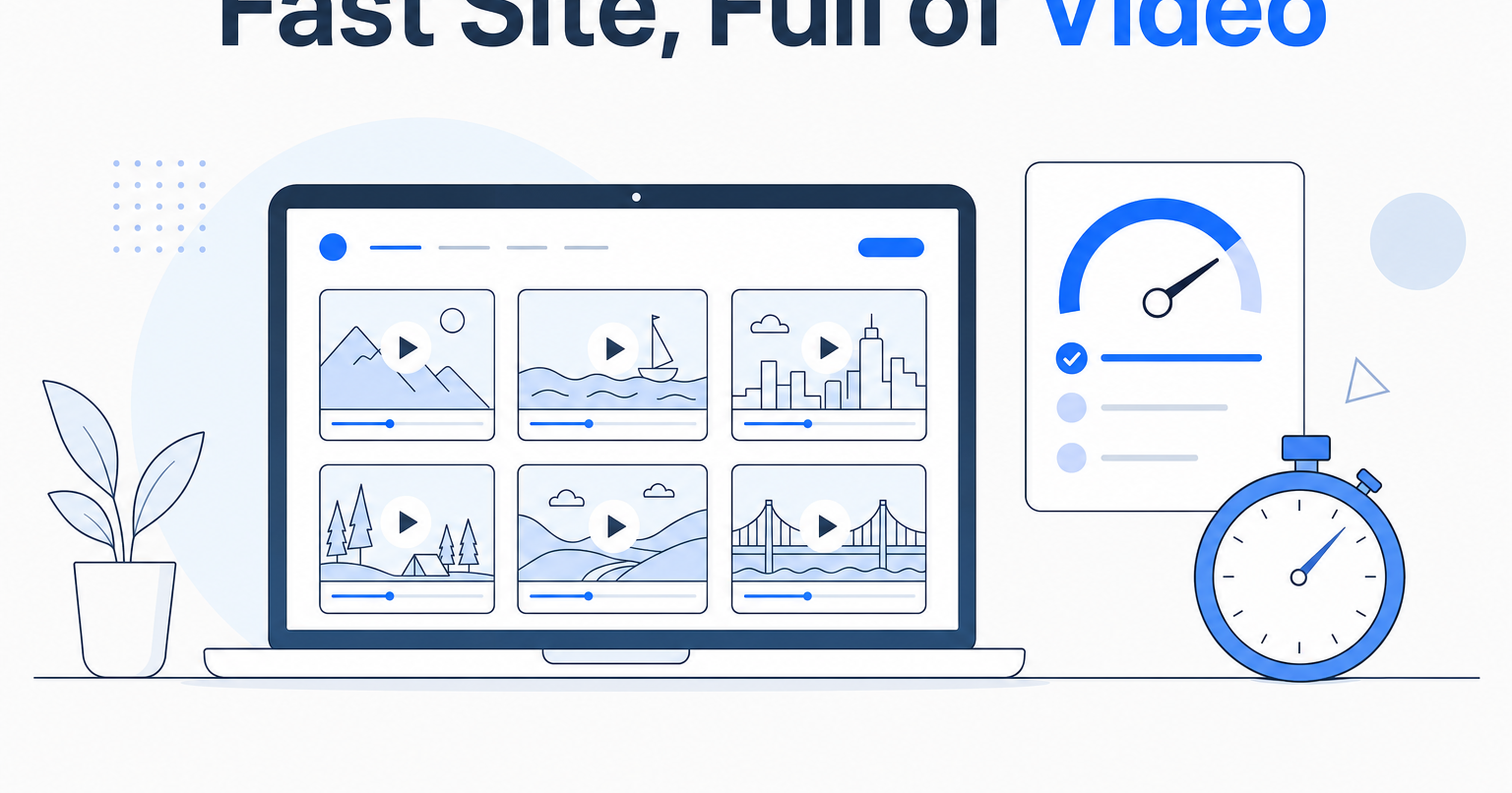
The problem was our own house. Our website looked rough, and the hosted platform it lived on capped what we could do with speed, structure, and optimization. You cannot ask an AI engine to vouch for you from behind a slow site that says nothing crawlable about what you do.
What we actually changed
We rebuilt on custom code instead of a page builder. Moving to a custom-coded site, deployed straight from GitHub, took the ceiling off. Framer, Webflow, and HubSpot all impose limits on how far you can push SEO, load speed, and animation, and you do not find those limits until you are trying to fix something specific and cannot. Custom code removes them. It also meant our blog system publishes directly into the site with no CMS middleman.
Worth naming: we did not try to vibe-code it ourselves with an AI tool. Our partner caught a cookie consent and analytics disclosure problem we did not know we had, which is exactly the category of mistake a non-technical person building solo with AI walks into. My reaction was relief. I would either have never finished the site or finished it and gotten sued. Slow pages you can fix in a sprint. Privacy compliance is not a later problem, and it varies by where your visitors live, which is not something an AI chat volunteers while it is handing you markup.
We fixed the SEO foundation first. People skip this because AEO sounds newer and more exciting. Traditional SEO compliance is still the foundation of AI search, and there is no route around it. Broken metadata, orphaned pages, bad structure, sluggish load times: those hurt you in AI answers for the same reason they hurt you in Google. Automated site health audits surface those issues and fix most of them without a ticket queue, which is the only reason a team our size can keep up with them at all.
We built content off a business knowledge base, not off a prompt. My honest fear about AI-written blogs was regurgitated slop in nobody's voice. There are already a million of those. The fix was feeding a private knowledge base with our own raw material: interview transcripts, our StoryBrand-influenced process, how we build impact moments in an edit, what we actually think about feature dumps in SaaS explainers. The writing comes from our source material instead of the internet's average opinion. We still review before publishing, and I treat that review as the one real job we owe the system. When you have fed it enough that it will not contradict your own knowledge base, you can loosen up. We are not there yet, and I would rather say that than pretend.
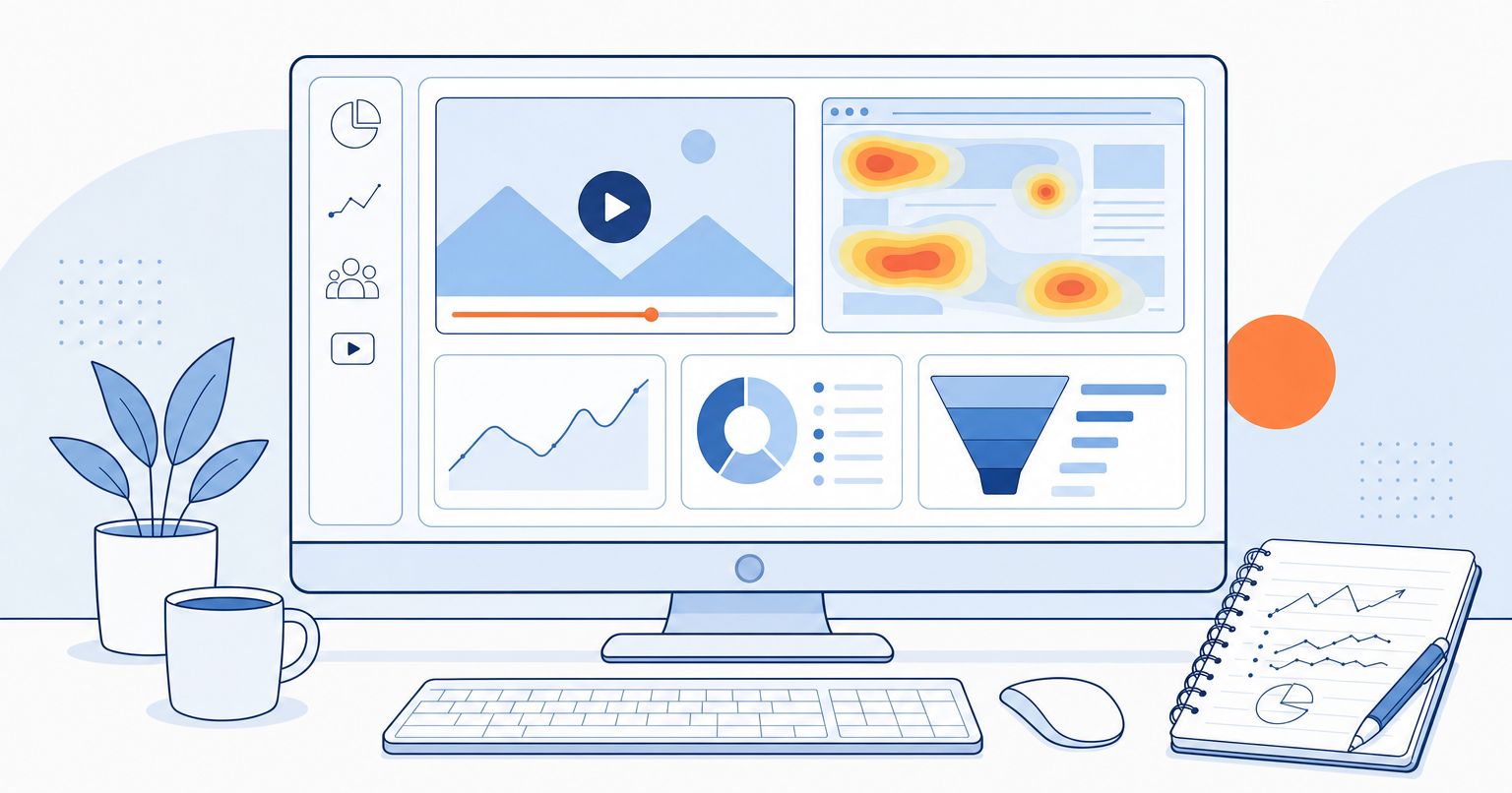
We turned on lead attribution for AI traffic. When someone clicks through from ChatGPT, Gemini, or Claude and then books a call or fills out a form, we see it. That closes the loop most "AI visibility" work never closes. It also decides what gets written next, because the page that produced a booked meeting tells you what kind of page to make more of.
We monitor prompts on a seven-day cycle. We track up to 50 prompts across the AI engines to see whether we get mentioned, and each prompt waits at least seven days before it is checked again. Seven days is enough room for a change to register. Daily checks just manufacture noise and a chart that wiggles. The other half of it matters more than it sounds: the system invents new phrasings on its own. "Best video agency in Winston-Salem" is one prompt. A real buyer types something closer to "we build fleet trucks and need a brand film that does not feel like a corporate video." Same intent, completely different retrieval, and you can be invisible for one and cited for the other.
What has happened so far, honestly
We are early, and I would rather tell you that than invent a percentage. What is true now that was not true in January: the site is clean and fast, the library of pages answering questions our buyers actually ask is growing every week, we can see which prompts mention us, and we get attribution when AI search sends someone who converts. Before this, we had none of it. Building the SEO health and the AI visibility in the same move is what made the spend feel sane instead of speculative, because even in the world where AI search plateaus, we own a technically sound site full of expert content. That bet does not have a losing side.
Where to start if you are behind on this
Do the free version of the exercise tonight. Open ChatGPT, ask it for an agency like yours the way a buyer would ask, with their industry and their constraint in the prompt, not your service category. Write down who it names. That list is your actual competitive set, and it is usually not the one on your battlecard.
Then fix the site, because if your platform limits your speed and structure, no volume of publishing rescues you. Publish real expertise sourced from your own transcripts, frameworks, and client stories, since models are looking for something with a point of view worth quoting. Track prompts on a slow cadence so you can tell progress from noise. Instrument attribution last, so this stops being a faith exercise.
We are running this playbook while we make video work for mission-driven tech companies, and the two feed each other more than we expected: the interviews we shoot become the knowledge base that teaches the AI what we believe. If you want to compare notes on any of it, or you need the interview footage that makes a knowledge base worth mining, start a conversation.