Yes, you still need traditional SEO. Answer engine optimization is not a replacement for it, it is a layer built on top of it. Crawlability, clean site structure, fast pages, indexable content: those are the conditions that let a model find, read, and cite you in the first place. Skip them and you have not picked a newer strategy. You have picked invisibility in both places at once.
That is not a hedge. It is the single most useful thing we learned when we rebuilt our own site this year, and it changed how we budget.
What is the actual difference between SEO and AEO?
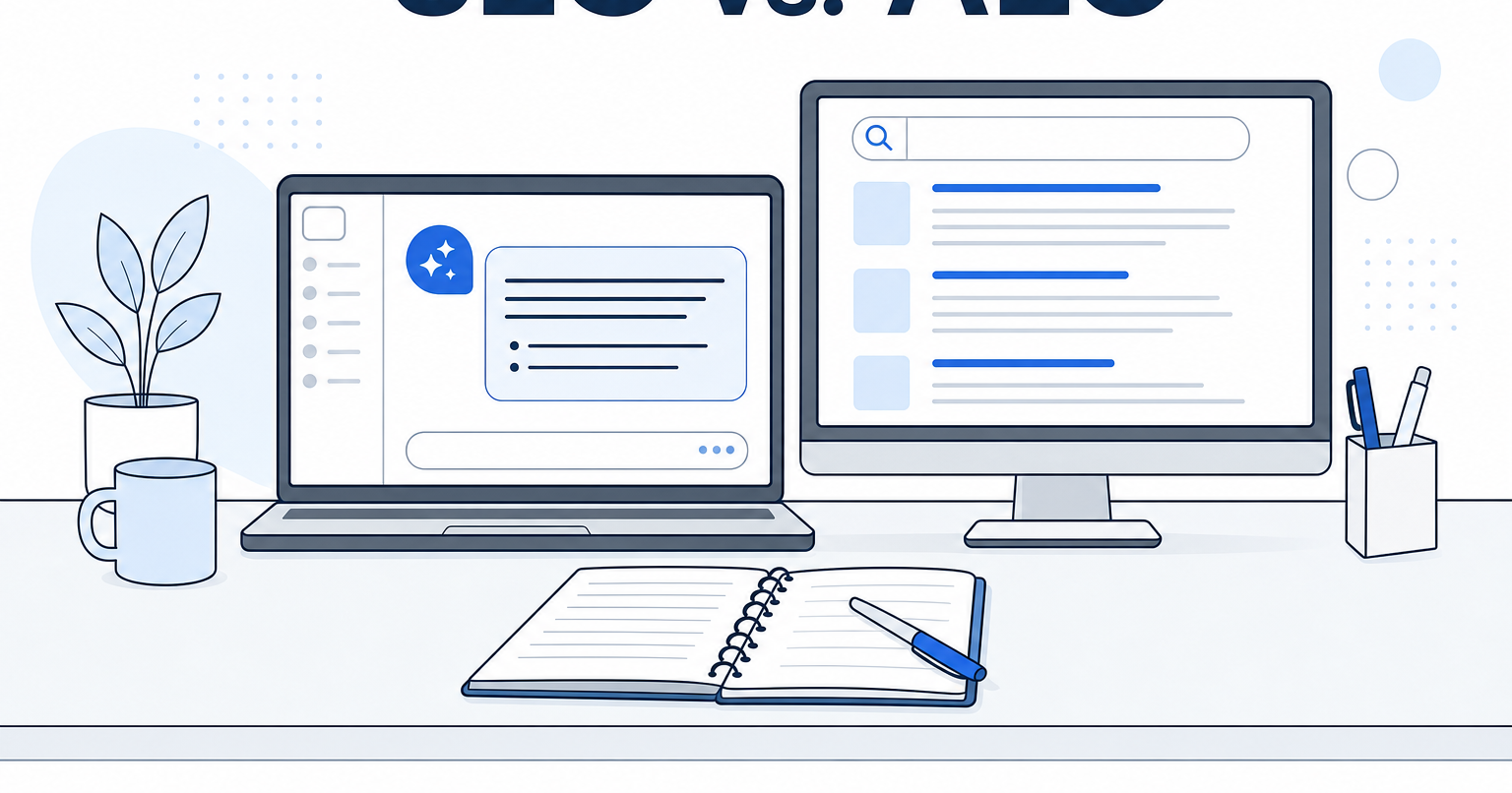
SEO (search engine optimization) is the work that gets a page to rank in a results list. Titles, headings, internal links, load speed, mobile rendering, schema, sitemaps, no broken canonicals. The unit of success is a ranked URL.
AEO (answer engine optimization), also called GEO or AI visibility depending on who is talking, is the work that gets your brand named inside a generated answer in ChatGPT, Gemini, Claude, or Google AI Overviews. The unit of success is a mention, ideally with a link attached.
They are not competing budgets. They are sequential dependencies. An answer engine cannot quote a page it cannot parse.
Comparing the two, line by line
What triggers a result. SEO responds to keywords. AEO responds to prompts, and prompts carry context. "Best video agency in Winston-Salem" is a real prompt and worth tracking, but it is one phrasing out of a thousand. The version that actually shows up looks more like "I run a truck manufacturer and I need a crew that can shoot at a dealership event, who should I call." Same intent, completely different string.
What content wins. SEO rewards depth and authority on a topic. AEO rewards extractability: a clear, self-contained sentence a model can lift without needing the paragraph around it. Write the answer, then explain it. Do not bury the answer at paragraph six.
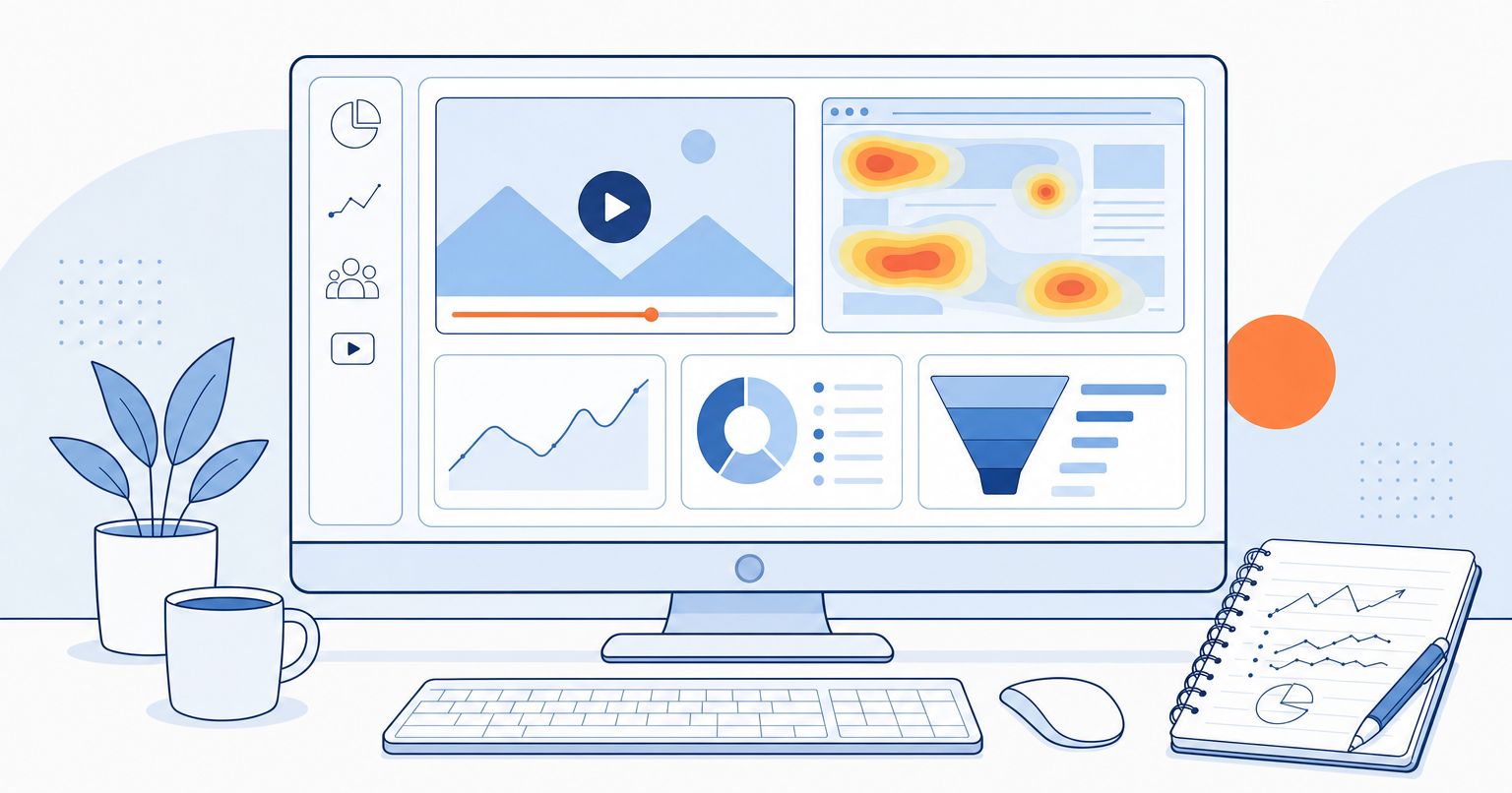
How you measure it. SEO has rankings, impressions, clicks. AEO has prompt monitoring, which means asking the engines the questions your buyers ask and logging whether you appear. The platform we run this through tracks up to 50 prompts and waits at least seven days before rechecking any one of them, because a shorter window does not leave enough room for a change to register. Daily checks on a single prompt tell you nothing except that models are non-deterministic.
Where the traffic lands. SEO sends volume. AEO sends fewer people who arrive already convinced, because a model recommending you behaves like a referral rather than a listing. Referrals have always been the strongest lead you can get. Track that traffic separately or it disappears into your direct bucket.
What breaks if you ignore it. Ignore AEO and you stay invisible in a growing share of buyer research. Ignore SEO and nothing works at all: pages that take six seconds to load, missing metadata, no crawl path to your case studies. The models are pulling from the same open web that search crawlers do. Broken for one is broken for both.
Why SEO is the foundation, not a legacy tax
We had never seriously invested in SEO. Outbound was filling pipeline faster, and inbound stayed a someday project. Meanwhile our site looked rough and was quietly limiting us in ways we had not measured.
When we finally rebuilt on a custom-coded site wired for AI search, the first real work was not clever prompt-chasing. It was site health: structure, speed, metadata, the unglamorous audit list. That order is the whole point. Investing in AI visibility and investing in SEO turned out to be one purchase, not two, because the fixes that make you rankable are the fixes that make you quotable.
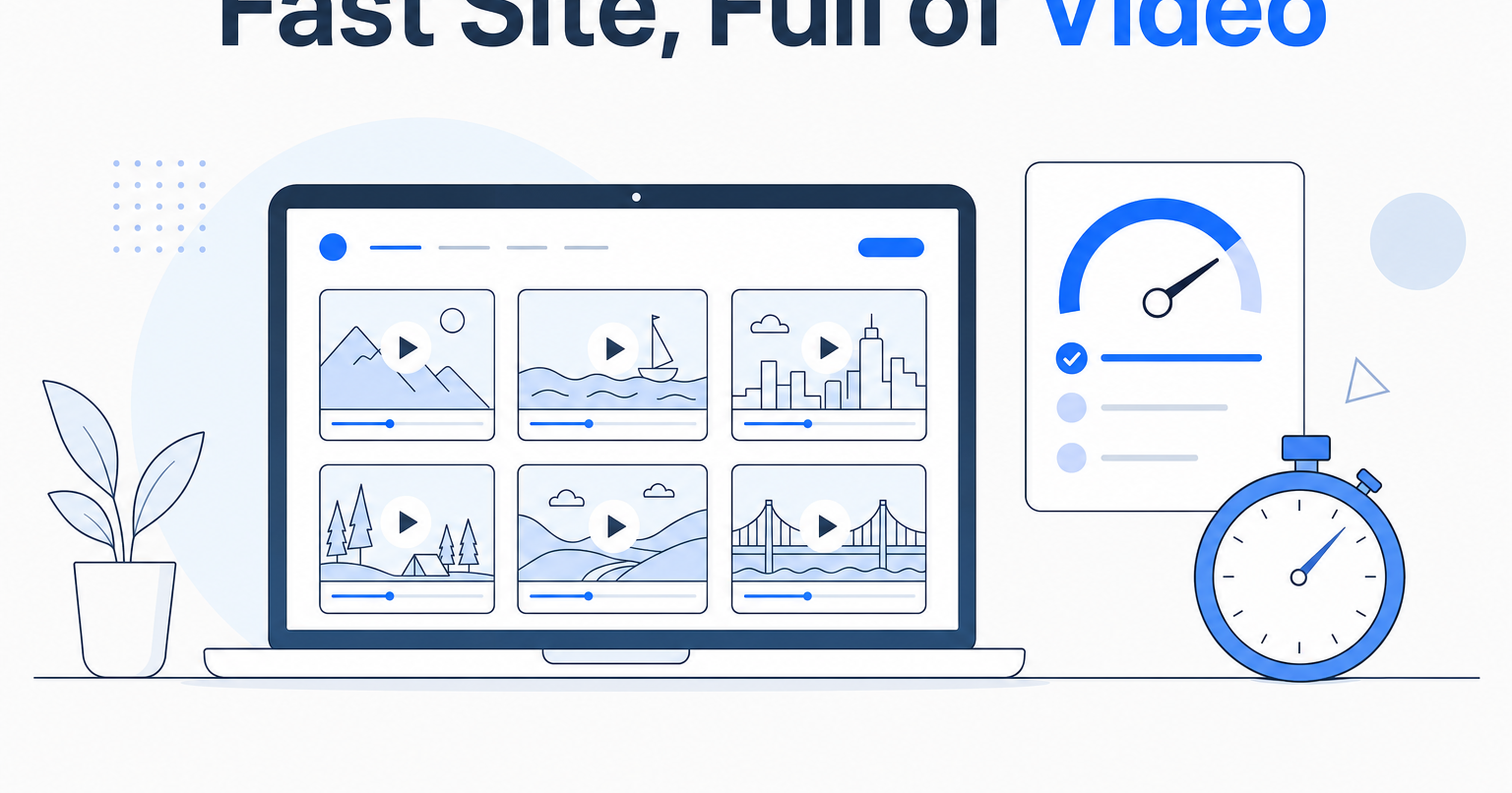
That is also why we push back on no-code platforms for brands that need to be found. Framer, Webflow, and HubSpot each put a ceiling on what you can optimize. Custom code removes the ceiling, which matters a lot on a video-heavy site where autoplaying reels can wreck load times before a visitor sees a frame. We laid out that tradeoff in our comparison of AI site builders versus hiring a developer.
Where to spend first
Start with SEO fundamentals if your site sits on a drag-and-drop builder, loads slowly, has thin service pages, or has never had a technical audit. Most of the B2B teams who ask us this question are in exactly that spot. Fix the foundation. It serves both channels at once.
Move to AEO work once your technical health is clean. That means prompt monitoring across the engines, content written to answer specific buyer questions completely, attribution that tells you when a lead came in from an AI referral, and a knowledge base of your own material so anything published under your name actually sounds like you and never contradicts what you have already said in public.
Do not split the budget 50/50. They are not parallel tracks. AEO is the second half of one program, not a competing line item.
One thing that gets missed: video pages are some of the hardest content for a model to read. A case study whose entire argument lives inside an unlabeled MP4 gives an answer engine nothing to work with. Transcripts, real copy above the player, structured headings, and named outcomes turn a portfolio piece into something quotable. Our website performance tracking service covers the measurement side of that, and if you want a straight read on where your site stands today, start a conversation.